
TRIM
SELECTION GUIDE
It's All About the Details

Trim Types:
Know Your Basics
There are a few core types of interior trim you’ll see in most homes. Here’s a quick guide:
Baseboard:
Runs along the bottom of your walls, protecting them from scuffs and creating a clean line where wall meets floor.
Shoe Molding:
Smaller trim at the bottom of baseboard near the floor.
Casing:
Frames around windows and doors—these are the outlines that add style and depth.
Plinth Block:
Block at bottom of door casing where it meets baseboard.
Crown Molding:
Installed where the wall meets the ceiling. It adds height, drama, and a touch of formality.
Chair Rail:
A horizontal trim typically installed around waist height—decorative and practical (protects walls from chairs!).
Panel Molding / Wainscoting:
Adds texture and interest to walls, often used in dining rooms, hallways, or custom builds.
Trim Styles:
From Classic to Contemporary
Interior trim may be subtle, but it has a major impact. It frames your space, adds character, and gives every room a polished, finished look. Whether you're going for classic elegance, modern minimalism, or something totally custom, the right trim brings your vision to life. Here are a few popular looks to consider:

Colonial
LOOK: elegant symmetrical
PROFILE FEATURES: curves, beads, layered detail
BEST FOR: classic homes, colonial, Victorian
Victorian
LOOK: decorative, elaborate
PROFILE FEATURES: intricate, tall profiles, multi-layered
BEST FOR: victorian homes, traditional high ceilings
Craftsman
LOOK: boxy, solid, handmade
PROFILE FEATURES: flat boards, simple cap and stool
BEST FOR: bungalows, rustic cabins, craftsman-style
Transitional
LOOK: mix of classic + modern
PROFILE FEATURES: slightly beveled or curved, clean lines
BEST FOR: blended-style homes
(modern + traditional)
Modern
LOOK: clean, sleek, minimal
PROFILE FEATURES: flat or square, no ornament
BEST FOR: modern, scandinavian, loft spaces
Farmhouse
LOOK: simple, functional, rustic
PROFILE FEATURES: flat stock, squared or beveled edges
BEST FOR: farmhouse, cottage, shaker-inspired
Colonial
LOOK: elegant symmetrical
PROFILE FEATURES: curves, beads, layered detail
BEST FOR: classic homes, colonial, Victorian
Victorian
LOOK: decorative, elaborate
PROFILE FEATURES: intricate, tall profiles, multi-layered
BEST FOR: victorian homes, traditional high ceilings
Craftsman
LOOK: boxy, solid, handmade
PROFILE FEATURES: flat boards, simple cap and stool
BEST FOR: bungalows, rustic cabins, craftsman-style
Transitional
LOOK: mix of classic + modern
PROFILE FEATURES: slightly beveled or curved, clean lines
BEST FOR: blended-style homes
(modern + traditional)
Modern
LOOK: clean, sleek, minimal
PROFILE FEATURES: flat or square, no ornament
BEST FOR: modern, scandinavian, loft spaces
Farmhouse
LOOK: simple, functional, rustic
PROFILE FEATURES: flat stock, squared or beveled edges
BEST FOR: farmhouse, cottage, shaker-inspired
Need Visuals? See the Difference
Not sure what each piece looks like? No problem. Check out our visuals of each type and style of trim and compare profiles side by side. Whether you’re choosing trim for a full home renovation or just upgrading a single room, seeing it helps you make confident choices.


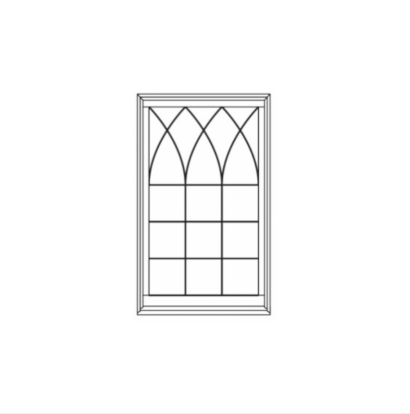
Window Grilles: The Finishing Touch!
Window grilles (sometimes called muntins or grids) are like the jewelry for your windows—small details that make a big difference. Whether you want classic charm or modern flair, grilles can totally change the vibe of your space.




Download Our Window Checklist!
When choosing new windows there’s a lot to think about—style, material, energy efficiency, hardware, grilles…the list goes on. But don’t worry—we’ve made it simple.
Grab our Window Checklist and feel confident you’ve thought through every detail before we order or install.
✅ Choose your window styles
✅ Choose the right materials
✅ Pick your grille pattern
✅ Decide on hardware finishes
✅ Plan for energy efficiency
✅ And more!